I see people constantly invoke “community” when talking about electronic music, but far fewer seem to actively participate in one. The term gets signalled as presence, being there, attending, posting, but presence alone isn’t the same as engagement. Buying a ticket doesn’t necessarily mean you care about the music, the space, or the people in it; it just means you’ve accessed it.
Part of the confusion lies in the fact that electronic music isn’t a singular culture but a constellation of scenes, each with its own values, histories, and codes of behaviour. What “community” looks like at a dubstep night is different from a queer techno party. These are active ecosystems and code of conducts made up of different audiences. Flattening them into a single, vague idea of “the community” strips away the specificity that gives them meaning.
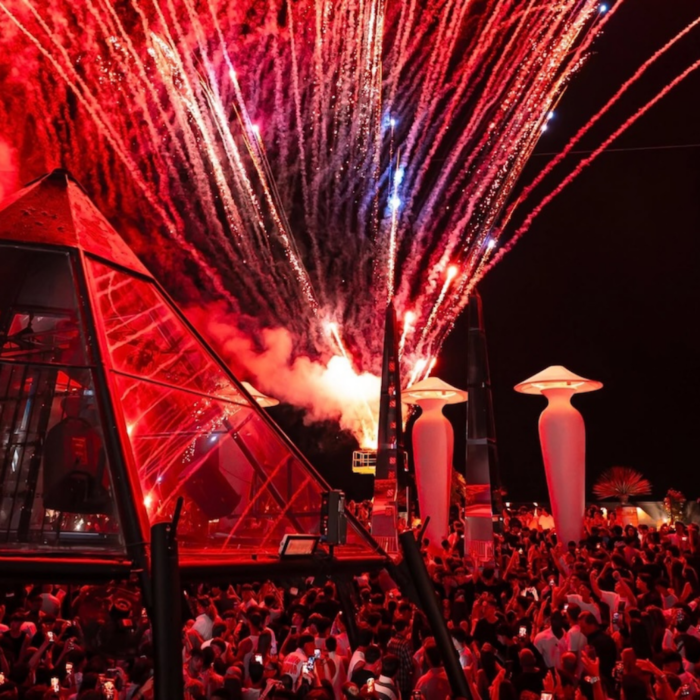
At the same time, language that once carried weight, “underground,” “rave,” “immersive,” even “community” itself, has been steadily co-opted by labels. These words now function more as marketing tools than descriptors, signalling authenticity without necessarily requiring it. An event can be branded as “underground” while operating with full commercial backing; it can be called a “rave” while enforcing rigid, profit-driven structures; it can promise “immersion” while encouraging constant phone use. The question that lingers is whether these experiences would hold the same value if they weren’t being documented. Would they exist in the same way if the camera was turned off?
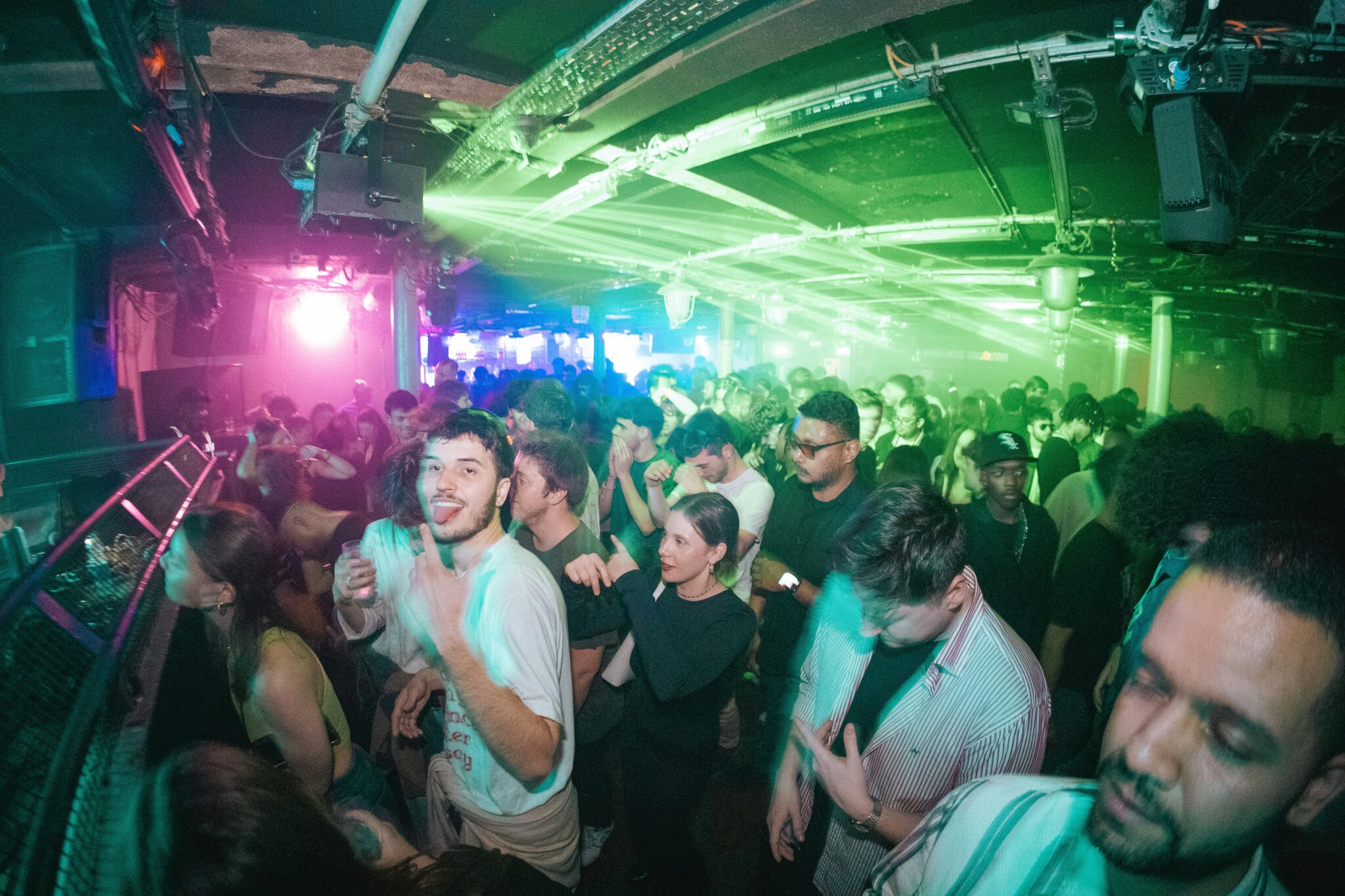
This isn’t about gatekeeping who belongs. Nobody alone gets to define what constitutes a “real” community, but there is a noticeable difference between those who live and breathe electronic music, who support local nights, follow lineups, understand the lineage of sounds, and those who engage with it more superficially. You see it in behaviour: the contrast between dancers locked into the music and those filming entire sets; between people invested in a scene and those chasing micro-trends, turning up for a viral remix or a moment of cultural relevance before moving on.
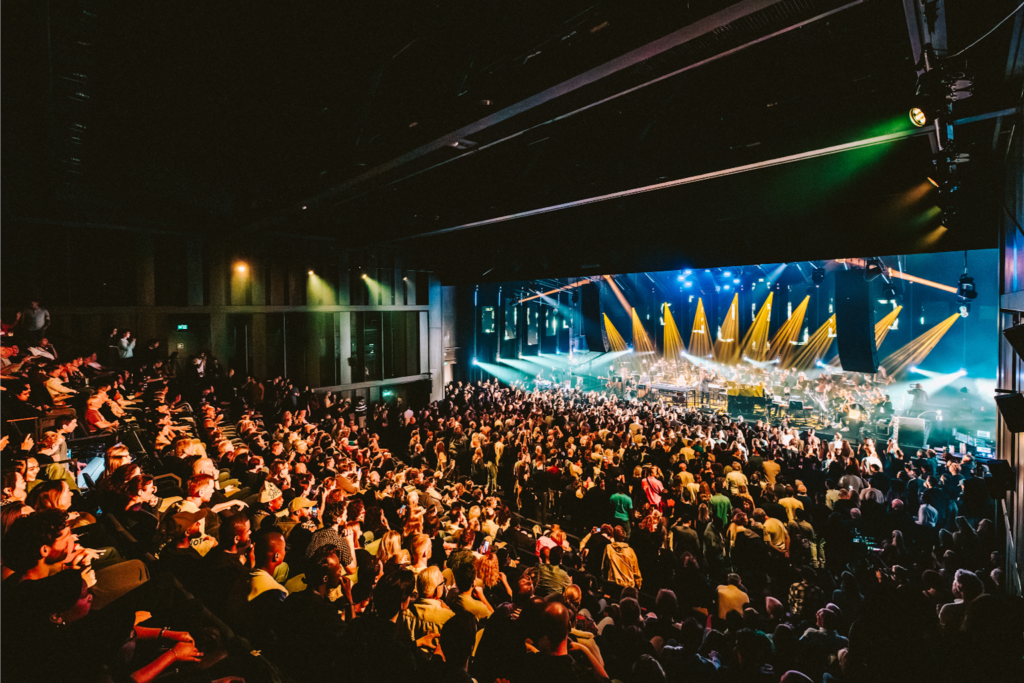
Venues like The Warehouse Project often represent this paradox. They’re large-scale, highly visible, and capable of booking major artists, but they also attract crowds whose primary relationship to the music can feel fleeting. In booking both authentic genre-driven line ups that uplift the local Manchester scene and conversely celebrity DJs that perform filmed sets to a sea of phones, there is tension. That doesn’t invalidate the experience, but it does complicate the idea that attendance equals belonging.
There’s also a growing disconnect at the industry level. Labels and brands increasingly adopt the language and aesthetics of underground culture to market artists who are only loosely connected to those spaces. The visual codes are there, the terminology is there, but the embeddedness often isn’t. It’s rare, for example, to see the people behind these operations consistently present in the environments they draw from. The result is a kind of cultural adjacency that benefits from the credibility of “community” without contributing to it.
This tension becomes even more pronounced when you look at platforms like Spotify and figures like Daniel Ek. Streaming has undeniably expanded access to music, but it has also reframed culture through data, metrics, algorithms and scale. There’s an ongoing question about whether this model nurtures culture or simply extracts from it, whether it supports the slow, relational work that communities require, or prioritises acceleration and consumption. When leadership speaks more about growth, market share and monopolies than about music itself, it’s hard not to question where the underlying values lie.
Ultimately, “community” in electronic music isn’t something you can magic into existence. It’s built through repetition, care, and shared understanding, and showing up consistently. As the language around it becomes diluted, the difference between participating in a culture and consuming it becomes harder to distinguish.