In the modern music industry, it is striking how often businesses talk about music while showing little evidence of genuine care for it. Across labels, streaming platforms, promoters, and marketing agencies, the focus is consistently placed on growth, metrics, and visibility, while the music itself feels secondary. Success is measured through clicks, streams, and ticket sales, yet these indicators rarely reflect meaningful investment in the music or the communities that sustain it.
Part of the issue lies in how the industry has evolved. Music is no longer treated primarily as an art form but as a product, a service, and increasingly a data point. Artists are valued for their streaming potential rather than the depth of their work. Platforms refine algorithms to maximise attention and consumption rather than cultural significance. Labels and brands adopt the language and aesthetics of underground scenes to signal credibility, even when they lack a genuine presence within those spaces. Terms such as “authentic,” “underground,” and “immersive” now function more as marketing signals than accurate descriptions.
This disconnect is evident not only in strategy but in behaviour. Artists are expected to navigate complex promotional cycles, social media demands, and playlist ecosystems with limited support, while their output is pushed for reach rather than developed over time. Influencer campaigns, sponsored content, and streaming-led strategies illustrate how music is often used to serve broader commercial goals instead of being the central focus. Investment tends to prioritise exposure over culture, overlooking the history, context, and creative ecosystems that give music its meaning.

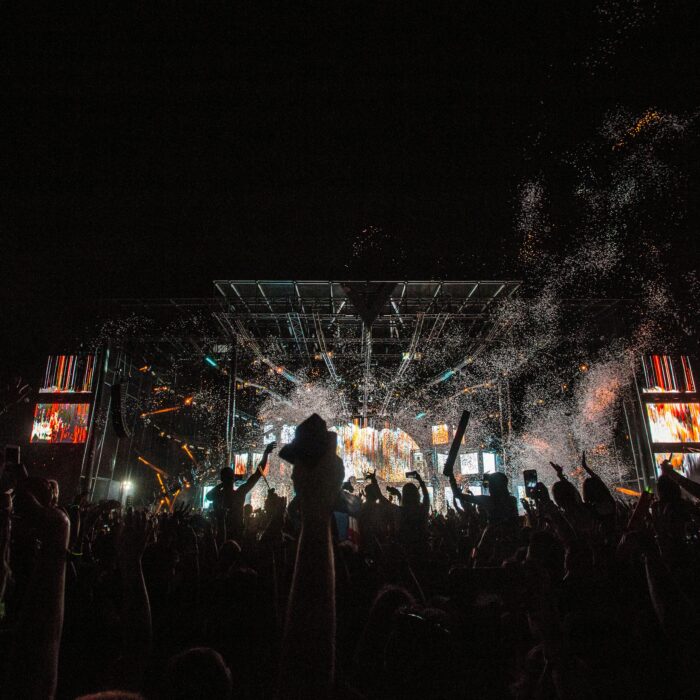
Venues reflect a similar shift. Large promoters can sell out events quickly, yet audiences often prioritise spectacle over sound. The divide between those immersed in the music and those treating it as content becomes increasingly visible. Dancers engaged with the music share space with people filming entire sets or chasing short-lived trends. Attendance is often mistaken for participation, and access for genuine interest.
Streaming platforms have accelerated this transformation. Services such as Spotify and Apple Music provide unprecedented access to music while also reshaping how it is consumed. Algorithms prioritise engagement, and revenue models favour scale, leaving independent artists with dedicated audiences struggling to generate sustainable income. Listeners move fluidly between tracks, often without context or connection, reinforcing a culture where music becomes background rather than a focal point.
The absence of care within music businesses is not necessarily intentional but structural. Large platforms, major labels, and global promoters are designed to prioritise growth, market share, and dominance because those are the metrics they are built to reward. Culture becomes something to extract and repackage, while loyalty is reduced to streams and data points rather than meaningful engagement with the music itself.
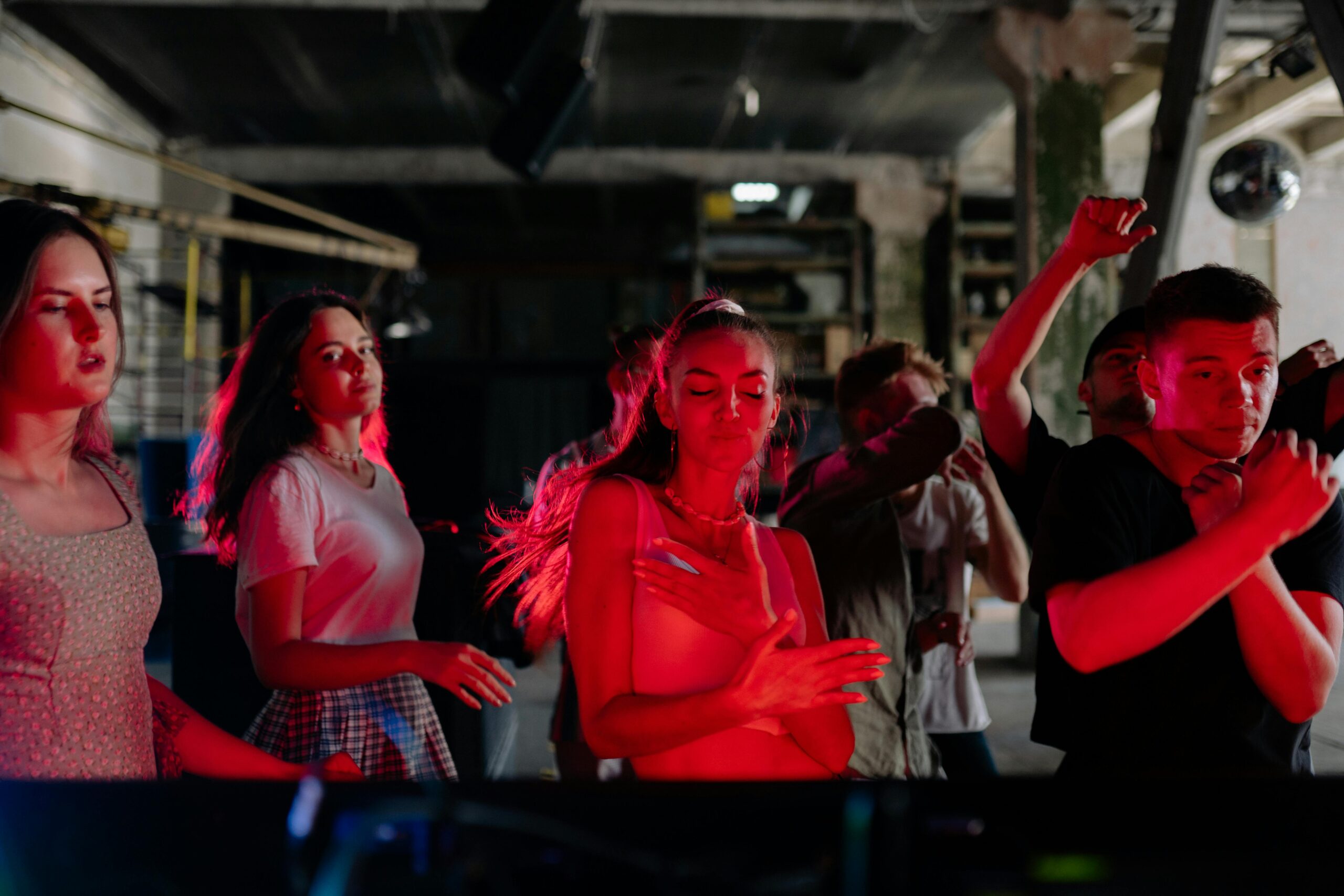
There are, however, signs of an alternative. Independent labels, community-led venues, and artists exploring direct relationships with their audiences demonstrate that a different approach is possible. These spaces prioritise longevity, shared understanding, and creative development over short-term performance. They show that music can still be supported in a way that values both the art and the culture surrounding it.
Ultimately, the issue is not whether music businesses care, but whether the systems they operate within allow them to. As long as success is defined by scale rather than depth, music will continue to be treated as a commodity rather than a cultural form. Those who genuinely prioritise music stand out not because of their reach, but because of the depth of their contribution to the scenes and communities that keep it alive.