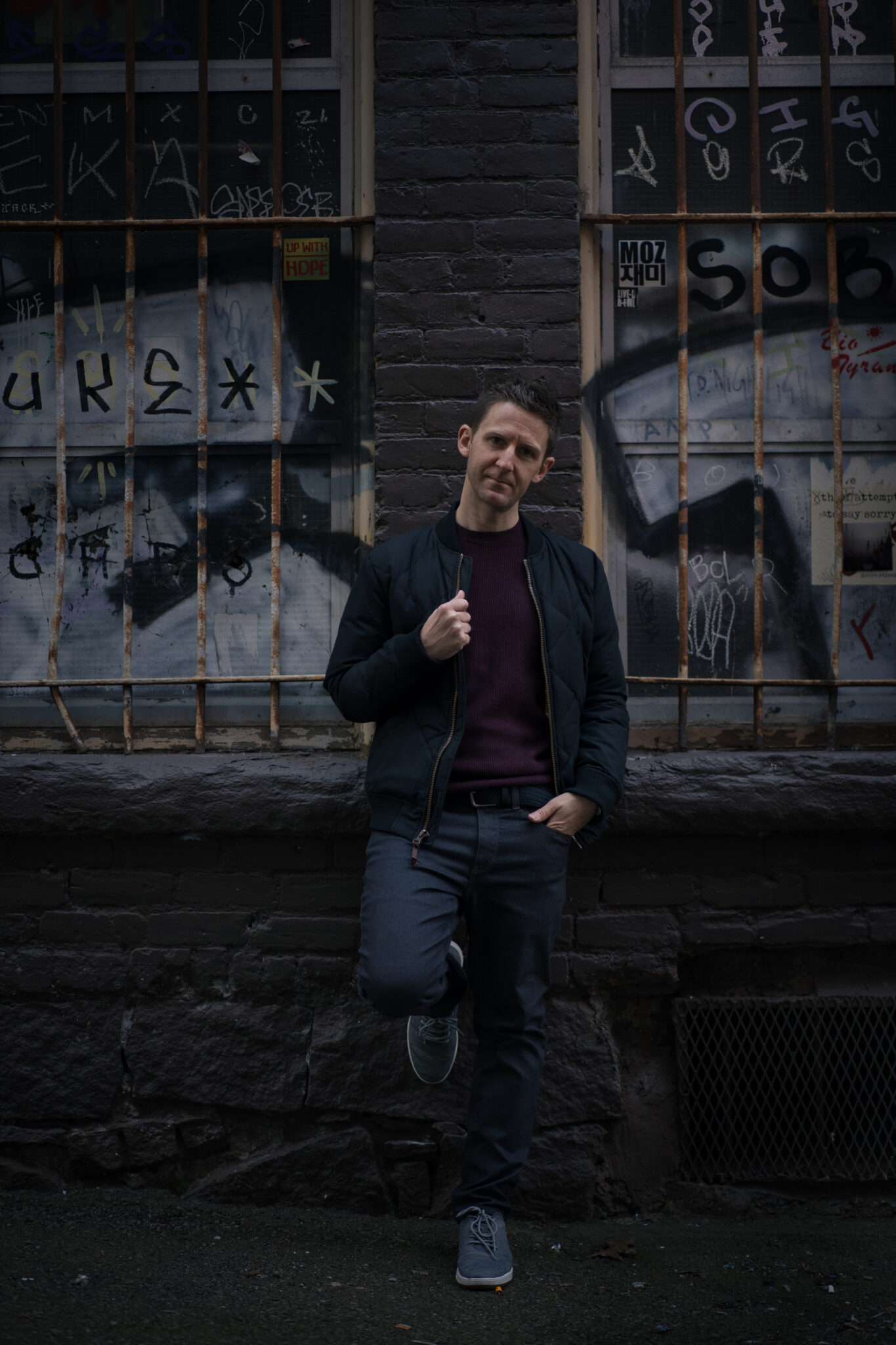
Rooted in 90s house culture but driven by modern emotion and craft, Finn Forte’s journey is shaped by nostalgia, storytelling, and lived experience on the dancefloor. From rediscovering classic hardware to releasing deeply personal albums and playing unforgettable sunrise sets, his work is about connection, between past and present, artist and crowd, heartbreak and healing. In this interview, he reflects on his creative process, career-defining moments, and the influences that continue to shape his sound.
Was there anything unique or unexpected that you tried in the process of creating the track that might be interesting to fans?
This track was really about chasing an organic, nostalgic vibe while still keeping it fresh. I spent a lot more time than usual diving back into classic hardware—old Junos, Korgs, Rolands—not just for the sounds, but for the inspiration that comes from how those machines feel. I tried a few unexpected approaches too. I let myself experiment longer than normal, stifling ideas, pulling them apart, rebuilding them—really seeing what happened when I blended those iconic 90s textures with modern drums and cleaner production. It was less about perfection and more about rediscovering the magic in those older synths and seeing how far I could push them in a modern context.
Looking ahead, what are your goals or plans for this year as an artist/DJ?
Over the past year I’ve been releasing a song a month from my album Loss, which tells the story of healing after a 17-year relationship ended. The full album drops early next year, and it’s one of the projects I’m proudest of—it’s the most honest I’ve ever been in my music.
After that, I’ve got two major projects lined up. The first is NYE 1999 and the collection it belongs to—a series of tracks inspired by my old-school clubbing days in the UK. These are real stories from that era: driving to red phone boxes to find out where the rave was, the unexpected tracks DJs would drop that blew your mind, or making tin-foil hats because we were convinced aliens were reading our thoughts. It’s all about that pure, pre-phone culture—when the night evolved naturally and house music ruled the North West.
The second project is the complete opposite emotionally: a new album where I’m releasing one track a month, all centred on rediscovering love after heartbreak. If Loss was the story of letting go, this next chapter is about what happens when your heart learns how to open again. It’s going to be a huge year—full of nostalgia, storytelling, and new beginnings.
A few highlights this year include hitting nearly 60,000 Spotify streams as an independent artist while releasing a track a month—it showed me that being consistent and honest with my music is actually connecting with people. I also collaborated with a friend of mine, RN ISMO, and our track Sassy Groove featuring Ally Rozario reached number 9 in the Beatport House Hype chart.
How do you think your sound or style has changed over time?
My sound has definitely evolved over time. In the beginning, I did what most producers do—I copied my heroes. I’d take my top ten influences and try to reverse-engineer their tracks, figure out why their drums hit a certain way or why their chords felt so emotional. Eventually, I started to keep the parts that resonated with me and let go of the rest.
Now my style is more of a fusion: that raw 90s piano-house and French-disco energy blended with modern drums and tighter grooves. I still go back to the old machines—there’s something magic about the Korg M1’s 90s pluck bass and the classic M1 piano. Those sounds just cut through. And the Roland 909… it still delivers every time. Give it some saturation, push it a bit too hard, and it feels fresh again.
So the evolution for me has been moving from imitation to identity—taking the DNA of the 90s and shaping it into something modern, emotional, and very much my own. The biggest shift was realising I didn’t want to sound like someone else—I wanted to sound like the person those 90s records made me become.
What has been the best moment of your career as an artist/DJ?
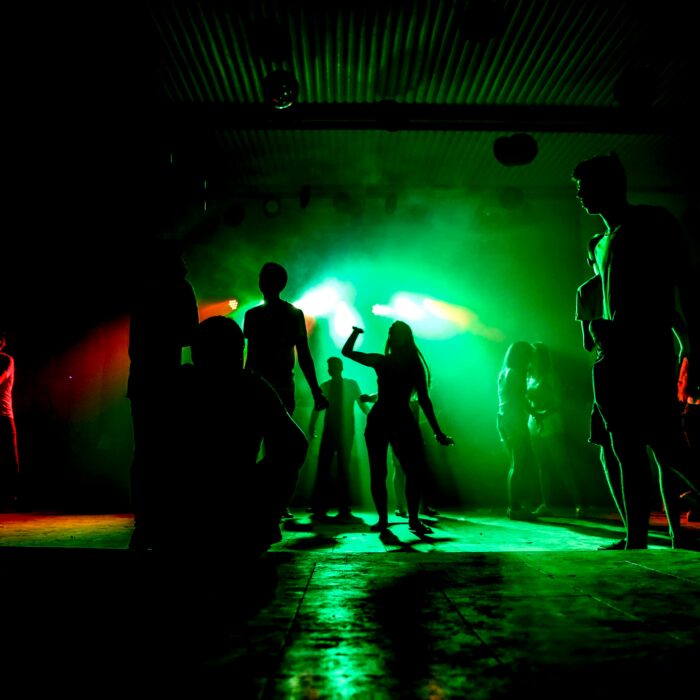
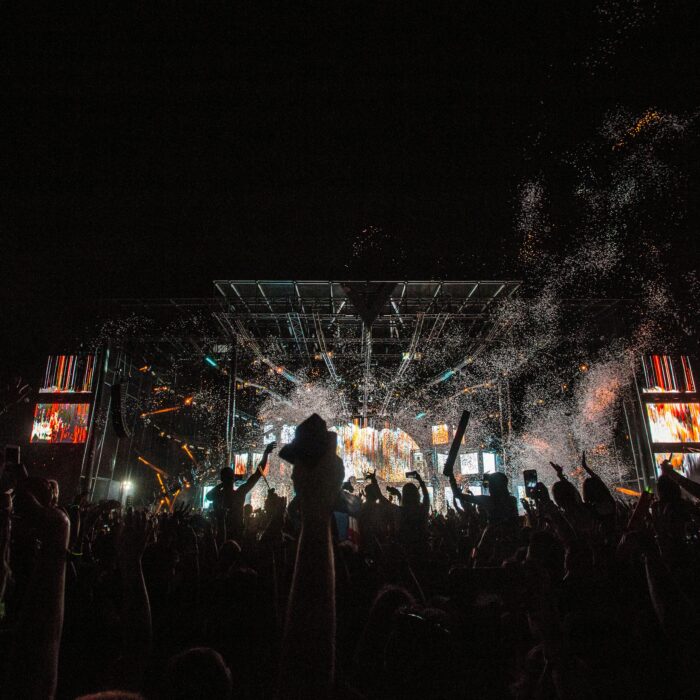
Being a DJ long before I ever produced music taught me what the real joy is: watching people completely lose themselves in a moment. When a crowd locks into a groove—really locks in—you can feel it in your chest. Their bodies sync to the beat, their faces soften, and for a few minutes nothing else exists.
One of my favourite memories of that feeling was on an art car at Burning Man. The sun had dropped behind the desert, and the only light came from neon bikes, glowing backpacks, and bodies covered in LEDs. The whole crowd was moving as one. I dropped one of my own unreleased tracks, and my mates were dancing right beside me. One of them leans over and shouts, “This track is bumpin!” and I just grin and go, “Yeah… that’s mine.” There’s nothing like that—real, honest reaction to your music before anyone knows it’s yours.
My second most unforgettable moment was DJing the sunrise set at the Full Moon Party on Koh Phangan. I played from 5 to 8 a.m., and the sun came up perfectly—no clouds, just a clean horizon and thousands of people dancing between the sea and the sand. No phones, no requests, just pure joy.
Halfway through, the Thai resident DJ came over after hearing the 90s piano house I was playing and said, “Back-to-back?” And of course I said yes. We ended up going for hours. People stayed until 2 p.m. the next day, and it only stopped when the Thai police came around and told the bar they’d lose their licence if we didn’t shut it down.
It was one of those once-in-a-lifetime sets you never forget—pure connection, pure energy, pure music. Moments like those remind me why I make music—because when everything lands just right, it doesn’t matter who you are or where you’re from. Everyone becomes part of the same heartbeat.
Do you have a dream collaboration or venue where you would like to perform one day?
Growing up, clubbing wasn’t a phase—it was just what we did every weekend. And every year, all of us would head out to Ibiza like it was a pilgrimage. Out of all the clubs, Amnesia hit me the hardest. I remember standing in what used to be the main room, looking up at Paul van Dyk playing, and saying to myself, “This is the room. This is where I want to play one day.”
It’s still my dream venue. When I went back recently to see Eats Everything, it was wild to realise how much had changed. The main room from the 90s is now “the back room,” and the terrace—which used to be the chill-out zone—is now the main space. But honestly, that original room still has the soul. It’s darker, more intimate, more club-focused—less carnival, more energy.
Playing there would be a huge honour. That room has hosted legends, shaped eras, and for me, it’s where the early spark for all of this started.
I’d love to collaborate with Julie McKnight and CeCe Peniston—they are 90s house to the core. Funny story though: I unknowingly collaborated with Brian McKnight Jr. on SoundBetter, and only afterward did he tell me he’d been playing the track to his mum Julie in the kitchen… and she was dancing to it. Only then did I realize who his mum was. That moment still blows my mind.
What’s something fans might be surprised to learn about you?
I write most of the lyrics to my songs and then work with singers to help bring these words to life. I find that songs hit me in a moment and I’ll stop and write notes in my phone for elaboration later. Most of my songs are about a specific moment in time—almost like a diary entry for my life and the emotions and moments that I live.
I grew up clubbing in Burnley and Manchester—Angels, Sankeys, Cream. Those places shaped me more than any music school ever could.
Before Finn Forte existed, I was obsessed with the piano. That’s actually where the name comes from—piano forte. I’m happiest when I’m tweaking a kick drum at 3 a.m. with no idea what day it is. I’m obsessed with 90s rave flyers—the typography, the chaos, the optimism. My studio walls used to be covered in them.
What was the tipping point that took your music to a level that labels started noticing you and you felt comfortable with the quality of your own music?
For years, I felt like my music was close—really close—but not quite landing. I knew I had the ideas, the emotion, and the 90s influence running through everything, but I also knew there was a missing 10%. That final layer of polish, intuition, and energy that separates a good track from a great one.
The tipping point came when I found an in-person production retreat in Ibiza. I booked one week—just one—and ended up staying for four. I lived on a small boat in San Antonio, waking up every morning, grabbing a coffee, and heading straight into these sessions with people who shaped the very genre I grew up on.
I’m talking about legends: David Morales, Josh Wink, Marshall Jefferson, Barbara Tucker, Huxley, Ramin Rezaie. People whose records I used to spin in my bedroom or rush out to buy on vinyl—now sitting next to me, listening to my tracks and telling me what I was doing right, and what I wasn’t.
What changed everything was discovering that the missing piece wasn’t something complicated. It was subtle. It was feel. It was intention. That magic 10% is about knowing when to strip something back, when to let a piano breathe, when to sidechain just a little harder, when the groove needs swing, or when a bassline needs to be played rather than programmed.
Those four weeks rebuilt my entire approach to production. I stopped trying to make “correct” music and started making music that hits—music that moves. After that, everything shifted. My mixes started landing. Labels started replying. People started noticing. But more importantly, I finally felt comfortable with the quality. I knew I wasn’t guessing anymore. I understood my sound, and I understood how to make it translate—emotionally and technically.
That month in Ibiza was the moment everything changed.
Finn Forte – NYE 1999 (HoldMe Like It’s 1999) is out now via Angelfin Records. Stream & Purchase Here.
Check out more from Finn Forte Here