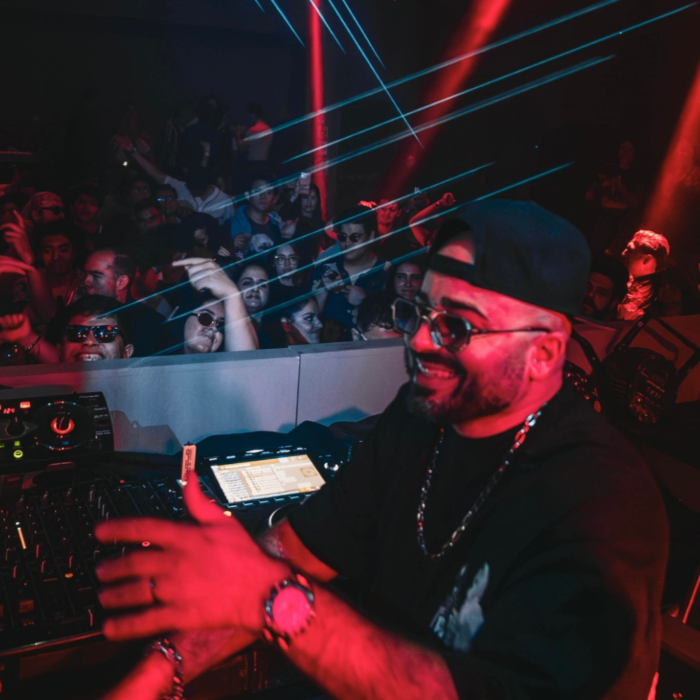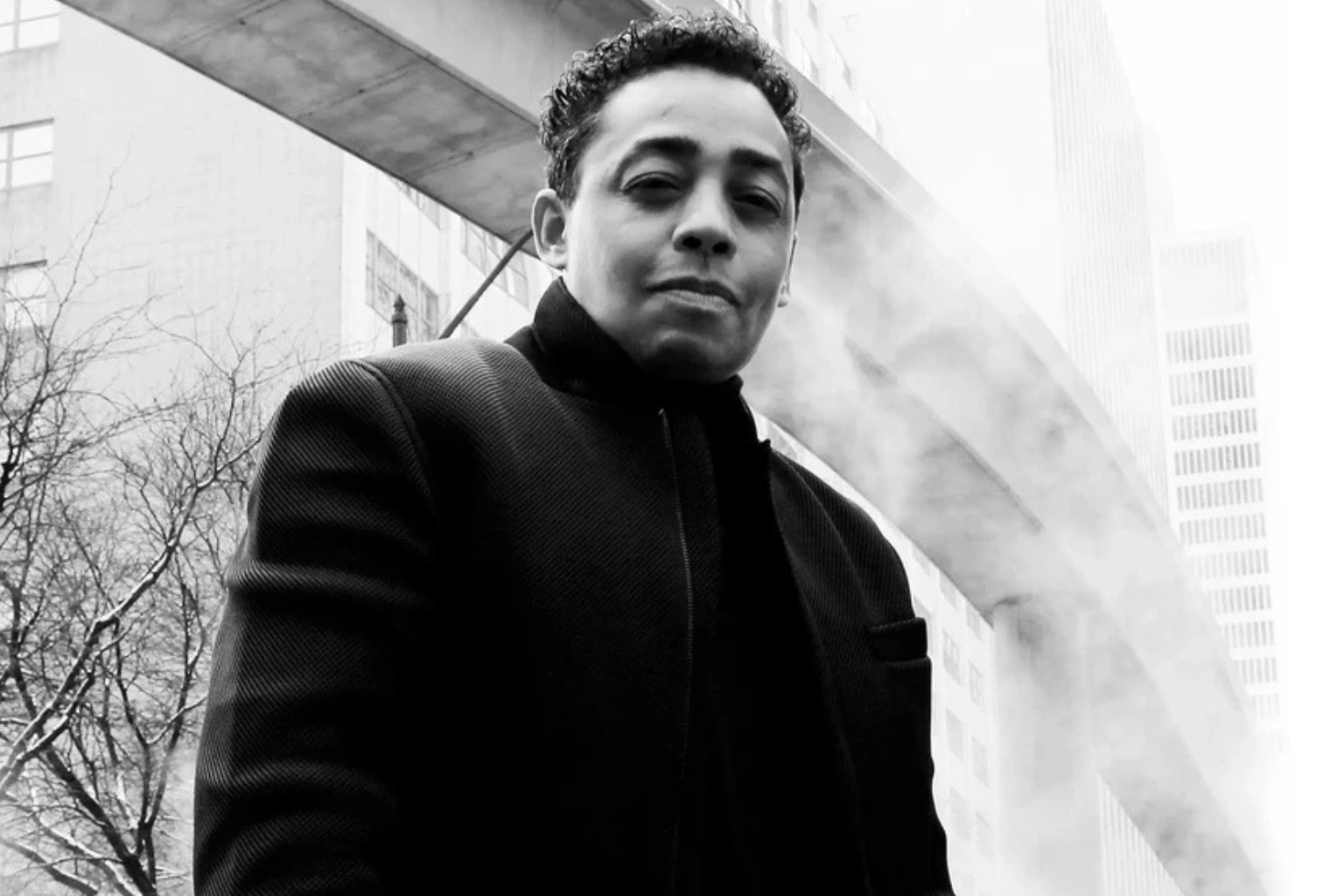
Delano Smith, the legendary Detroit DJ, producer, label owner and internationally recognised ambassador of house music, has passed away.
Born in Chicago and raised in Detroit, Smith began his DJ career in 1978, becoming part of the first generation of DJs who helped establish the city’s underground club culture. His early career included an influential association with the late Ken Collier, whose guidance helped shape his approach to DJing and musical selection.
Over the following decades, Smith became an important figure in the development and international recognition of Detroit house music. His influence extended to generations of DJs and producers, with fellow Detroit pioneers recognising his contribution to the city’s electronic music history. One well-known tribute stated, ‘Without Delano there would be no Derrick’, while Jeff Mills also highlighted his influence on the techno generation.
As a DJ, Smith performed at internationally respected venues including Panorama Bar in Berlin, Rex Club in Paris, fabric in London and Contact in Tokyo. He also remained closely connected to Detroit’s local scene, appearing at venues such as TV Lounge, Spot Lite and Lincoln Factory, as well as events including Movement Festival and Charivari Detroit.
Alongside his DJ career, Smith established himself as a respected producer and label owner. Through his Mixmode Recordings imprint and releases on labels including Sushitech and Third Ear Recordings, he developed a distinctive sound rooted in deep, soulful and groove-driven house music.
His discography includes the acclaimed album ‘An Odyssey’, alongside releases such as ‘Twilight’ and ‘Detroit Lost Tapes’. He was also a key member of the influential Detroit Beatdown collective, alongside Norm Talley and Mike ‘Agent X’ Clark.
Across a career spanning more than four decades, Delano Smith played an important role in representing Detroit’s musical heritage internationally, remaining committed to the foundations of underground house music and the art of DJing.
His recordings, performances and influence remain a seminal part of Detroit’s house music history.