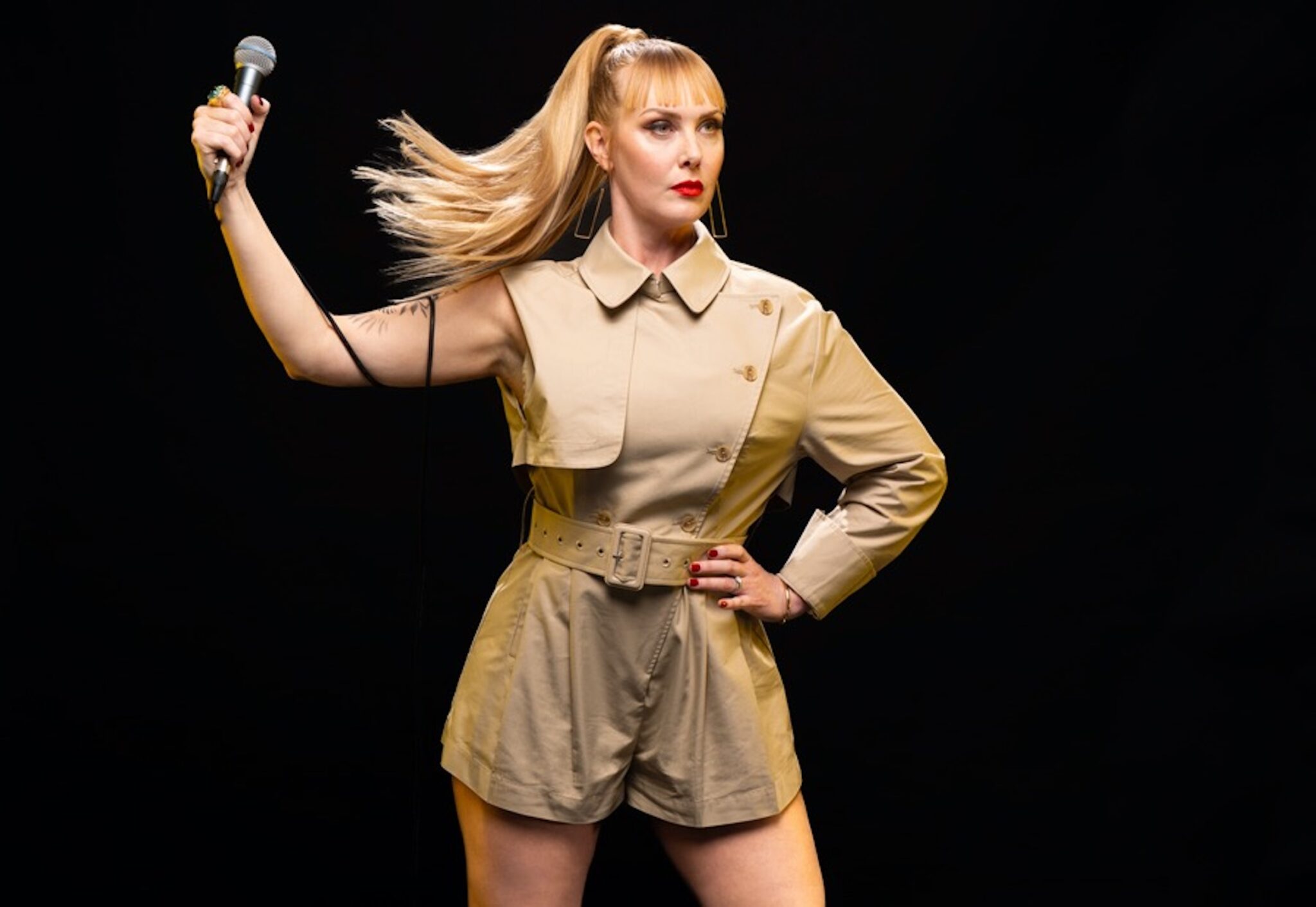
Tawny Graf is set to release her debut album Autonomy on 22nd May 2026. In a new interview, the Austin-based electronic artist, producer, and vocalist discusses the ideas behind the record, which explores themes of self-possession, identity, and transformation. Blending cinematic electronic textures with dark pop and experimental club influences, Autonomy was written, produced and performed by Graf as a deeply personal project shaped by a long period of creative introspection and artistic development.
Created over several years, Autonomy emerged from a prolonged period of introspection rather than any single defining moment. The record captures the gradual process of questioning identity, control and the journey back to oneself after years of influence from relationships, expectations and external noise. It reflects an accumulation of experiences that led Tawny Graf to abandon attempts to write what she thought she should create, and instead follow what felt genuinely true, however uncomfortable or unfamiliar that path became.
The album moves through themes of longing, confrontation and release, ultimately arriving at a place of greater clarity, self-definition and grounded presence. The feeling throughout is one of clarity achieved through tension. Tawny Graf wrote, performed and recorded the entire project herself in a highly personal and hands-on process that prioritised honesty over perfection.
Final mixes and mastering were handled by Tim Gerron, whose analog approach and deep understanding of the music added warmth, depth and cohesion while carefully preserving the emotional core of the performances. The collaboration is described as one rooted in genuine comprehension rather than purely technical execution.
Visually, Autonomy maintains the same minimalist ethos. The imagery is stripped back and deliberate, focusing on the body, signal and identity to create an immersive space for the listener rather than presenting a literal narrative. Tawny Graf views the project not merely as a collection of songs, but as the foundation of a broader sonic and visual world she is continuing to build.
Blending cinematic textures with modern house and alternative influences, Tawny Graf’s music is characterised by a careful balance of restraint and intensity. Her work consistently explores themes of identity, control and self-definition. Based in Austin, she is currently developing a hybrid live and DJ performance experience designed to deliver her music in curated, atmospheric environments that prioritise connection and immersion over spectacle.
Artist name and location? Tawny Graf, Austin, Texas
Tawny Graf, Austin, Texas
Introduce yourself in one paragraph
I’m Tawny Graf, an electronic artist, producer, vocalist, and performer based in Austin, Texas. My work lives somewhere between cinematic electronic music, dark pop, experimental club music, and performance art. I’m drawn to sound that feels embodied and visual, music that can be danced to, but also feels like a transmission from the nervous system. My current project, Autonomy, is about self-possession, survival, beauty, tension, and transformation.
Were you connected with music from a young age, or anyone in particular inspired you?
Music has always felt like a primary language for me. I was drawn to artists who built entire worlds around their sound, people like Björk, David Bowie, Imogen Heap, Janet Jackson, Michael Jackson, and Annie Lennox. I’ve always been inspired by artists who are not just singing songs, but creating a full visual, emotional, and sonic identity. That kind of total-art approach made a huge impression on me.
What first kickstarted your musical career?
The real kickstart was realizing that I didn’t want to wait for permission anymore. I had ideas that were too specific and too personal to hand off to someone else, so I started building the world myself, writing, producing, shaping the visuals, and learning how to perform the work in a way that felt honest. Once I understood that the limitations could become part of the identity, everything opened up.
Tell us a more about your sound and how it has evolved.
My sound has evolved from more traditional song-based writing into something more cinematic, physical, and electronic. I’m interested in tension: beauty against distortion, vulnerability against machinery, softness against control. Vocals are still central, but I use them more like texture and signal now, sometimes intimate, sometimes processed, sometimes almost architectural. The evolution has been about trusting the stranger parts of my instincts and letting the music become more fully realized.
Any words you want to share to encourage other artists and producers?
Do not wait until you feel perfectly ready. You will learn by making the thing. Protect your taste, protect your energy, and do not dilute your work just to make it easier for people to understand quickly. The more specific you are, the more powerful the connection becomes with the people who are meant to find it.
Networking, consistency, character, approach… what and how do you initiate your Industry relationships?
I try to approach industry relationships like human relationships first. I pay attention to people’s work and work ethic, I’m specific when I reach out, and I try not to treat anyone like a transaction. Consistency matters, but so does character and respect. I’m interested in building with people who care about the art, show up with integrity, and understand that great work usually comes from trust over time.
Is there anyone specific you’d like to thank that has helped you evolve and why?
I’m grateful to the people who have taken my work seriously before it was easy to explain, the collaborators, photographers, engineers, visual artists, friends, and supporters who saw the world forming around the music and helped me keep going. I’m especially thankful for the Austin creative community, because this city has a strange, independent spirit that has shaped how I think about performance and identity.
Name 3 albums or labels that have inspired you the most.
Björk, Post; Michael Jackson, Thriller; and Nine Inch Nails, The Fragile. These records all shaped me because the presence and vocal delivery of each artist is unparalleled. Björk sounds completely untamed and emotionally precise at the same time. Michael Jackson’s voice is pure rhythm, restraint, vulnerability, and command, especially on a song like “Human Nature.” Trent Reznor brings this raw collision of beauty, damage, machinery, and control that feels deeply human even when the sound is distorted. Sonically, these albums represent a world I keep re- turning to: experimental pop, atmosphere, physical performance, emotional electronics, and vocals that feel like the center of gravity.
What’s your favourite piece of studio equipment or software?
Right now, my favorite tools are the ones that help me blur the line between performance and production. I love anything that lets me treat sound visually and physically, vocal processing, sampling, synthesis, and performance tools that let a track feel alive rather than locked in place. I’m also very interested in the relationship between audio and visuals, especially using tools like Resolume to make the live show feel more cinematic and reactive.
Name your favourite club or festival in the world, and how does it makes you feel?
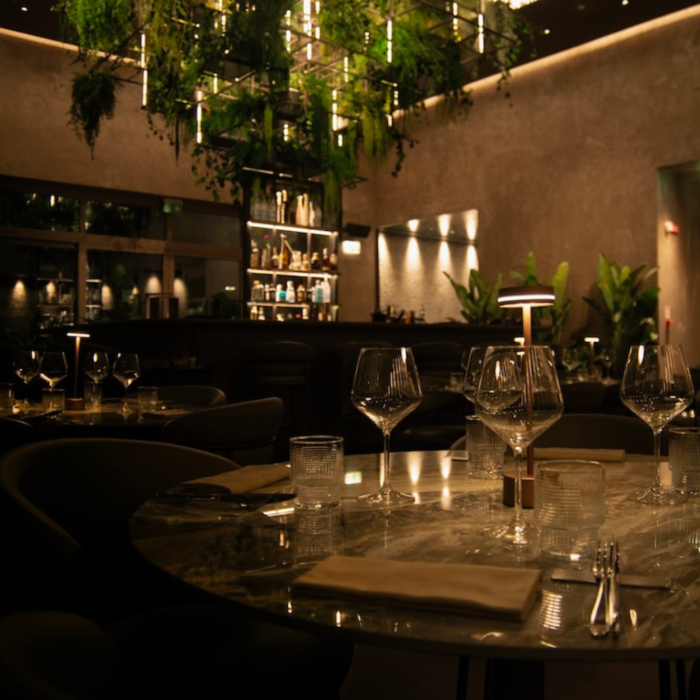
Right now, my favorite room is The Pershing in Austin, where I’m premiering Autonomy live. It has a rare combination of elegance, intimacy, and edge, which makes it feel charged before the first note even hits. I wanted this premiere to feel considered from every angle: the music, the visuals, the styling, the audience, and the emotional arc of the night. The Pershing makes me feel like I’m stepping into the right room at the right time, with the right people, to mark a new chapter.
Name an outlandish rider request?
All meat and bread must be the same size. If the pimentos are missing from my olives, I am contractually allowed to become difficult.
Favourite clubbing memory, who or what did it involve?
Some of my favorite clubbing memories come from my underground warehouse days, dancing from midnight until sunrise at psytrance parties. Those rooms had a completely different kind of energy: raw, communal, physical, and outside of normal time. It was never about bottle service or being seen. It was about the sound system, the people, the art, the lights, and that moment when everyone stopped being separate for a few hours. That experience shaped the way I understand dance music, not just as entertainment, but as release, ritual, and transformation.
What quote represents you best?
Self-possession is the real performance.
If you could play any venue, where would it be and why?
I would love to play The Sphere in Las Vegas because it represents the kind of scale I dream about: sound, visuals, technology, performance, and atmosphere working together as one complete world. My music is very visual and physical to me, so the idea of performing somewhere where the room itself becomes part of the art is incredibly exciting. I’m interested in creating shows that feel cinematic, emotional, and larger than life, and The Sphere feels like one of the ultimate places to do that.
Music is….. (explain more)?
Music is truth moving through the body. It holds emotion, memory, identity, desire, and freedom in a way language can’t always reach. For me, music is physical and visual before anything else. It is how I turn feeling into form, and how something deeply personal can become shared.
One song you really couldn’t live without?
Human Nature by Michael Jackson
Name drop your favourite tunes, artists or DJs (past or present)
Björk, Michael Jackson, Nine Inch Nails, Janet Jackson, David Bowie, Grace Jones, Annie Lennox, Imogen Heap, Massive Attack, Portishead, Sneaker Pimps, Depeche Mode, Jon Hopkins, Aphex Twin, Tiësto, Pete Tong, Kaskade, Tame Impala, Thundercat, Anyma, and RÜFÜS DU SOL.
What was your first music opportunity and how did it fuel your fire?
My first real music opportunity was a project called Barbie De Facto, where I wrote with Grammy-nominated Tim Gerron and Heath Tull. I had been chasing a record deal since I was 17, and that experience gave me an early look at both the promise and complexity of the industry. I learned quickly that talent matters, but so do timing, trust, follow-through, and self-belief. It fueled my fire because it made me more serious about owning my voice, developing my identity, and building something that did not depend entirely on permission from anyone else.
Tell us more about your plans for the future.
My immediate focus is the live world premiere of Autonomy and presenting the project with the level of intention it deserves. From there, I want to continue expanding the world of Tawny Graf through live performance, visual work, collaborations, and larger stages. I’m interested in building something that goes beyond a single album cycle: a complete artistic identity rooted in sound, image, movement, and presence. The future is about scale, clarity, and continuing to make work that feels unmistakably my own.
Any worldly advice you’d like to share?
Protect your vision, but stay teachable. The world will constantly try to tell you who to be, what to soften, what to explain, and what to make easier to digest. Listen when something is useful, but do not hand over the center of yourself just to be approved of. Build your character alongside your craft. Talent matters, but consistency, integrity, discernment, and follow-through are what make people trust you with bigger rooms and bigger opportunities.
Pre-save Tawny Graf’s forthcoming album ‘Autonomy’ here.
Find out more & follow: