I recently read a Substack arguing that Spotify is “minutes from death.” That feels deliberately provocative, but it points toward something more interesting: not that Spotify is collapsing, but that our relationship to music has fundamentally shifted. Music is no longer something we own or even consciously choose, it’s something we access and rent, passively, like a utility.
Streaming has abstracted music away from physical form entirely. Labels once controlled not just the music, but the formats through which it was experienced, record players, cassette tapes, walkman’s and so on. There was friction in the process: you had to buy something, go somewhere, or at the very least commit to a piece of hardware. Now, music exists in a frictionless loop, accessible on devices most people already carry. It’s both ubiquitous and invisible. You don’t own the music anymore you rent access to it via a monthly subscription, so in consequence can only access it as long as the direct debit lasts.
What Spotify doesn’t offer, and arguably will never be able to under its current model, is any meaningful sense of connection between listener and artist. There’s no equivalent of ownership, no tactile, fandom or emotional anchor. Unless Spotify starts producing its own hardware its own “container” for music it remains a service layer rather than a cultural one. This is the first moment in music history where listening is both entirely intangible and completely portable, and that has changed how deeply people engage.
Economics are the most obvious source of contention. Artist payment is embarrassingly low, often cited around £0.002 per stream meaning it takes roughly 500,000 streams to generate £1,000. The exact figures fluctuate, but the broader reality remains a constant: scale is rewarded over depth. And while this is widely criticised, the alternatives aren’t straightforward. Returning to a pay-per-song model feels regressive to most listeners, and while platforms like Patreon offer more direct support, they rely on sustained fan loyalty, something that’s increasingly fragile in an algorithm-driven landscape.
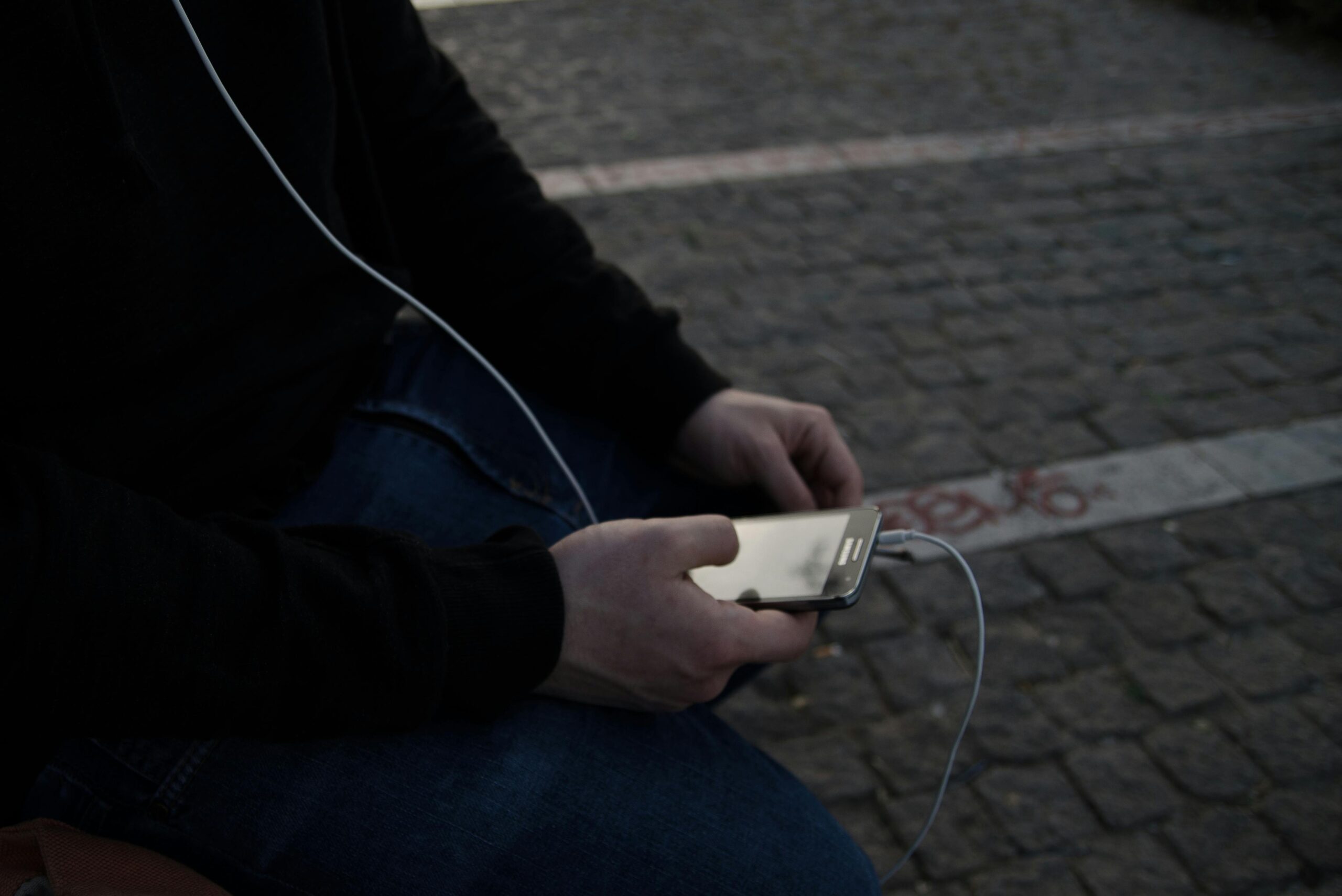
Because taste itself has changed, listeners are no longer orienting around single artists or even genres in the same way; they’re moving through a constant flow of recommendations, playlists, and micro-trends. Fans don’t have the same loyalty to an artists when the landscape is constantly changing. The idea of subscribing to one artist for £5 a month assumes a level of commitment that streaming has, in many ways, eroded. People don’t just like one artist anymore, they like hundreds or don’t even know who they’re listening to.
This also reshapes how music is consumed. I don’t think the album is dead, but I do think it’s losing its importance. For many listeners, music isn’t an event like it used to be, it fills space rather than demanding attention. Albums require time, context, and intention; playlists are frictionless, interchangeable, and perfectly optimised for mood rather than meaning. The shift is behavioural.
Meanwhile, the distribution of revenue remains deeply uneven. Under the pro-rata model, streaming income is pooled and distributed based on the total share of streams meaning that independent artists, who may have dedicated but smaller audiences, rarely see meaningful returns, while major artists dominate payouts. In effect, everyone pays into the system, listeners through subscriptions, artists through their labour, advertisers through platform access, but the rewards concentrate at the top.
So is there a solution? Probably not one that comes from Spotify itself. As a massive, publicly traded company, its priority is retention, growth, and market dominance. It will continue refining its algorithm, its interface, its personalisation tools, not necessarily to deepen engagement with music, but to keep users within its ecosystem. Any meaningful structural change would likely run counter to its business model.
A boycott is one possible response, but it’s difficult to coordinate at scale, especially when Spotify has become so embedded in everyday life. The more realistic shift might come from the margins: artists experimenting with alternative distribution, listeners becoming more intentional about how they support music, smaller platforms carving out different value systems. But that requires a change in mindset. As long as music is treated as a utility, something always on, rarely questioned, it’s hard to imagine a system that values it as anything more.
*this article represents the author’s perspective on the music streaming industry and is based on publicly available information.