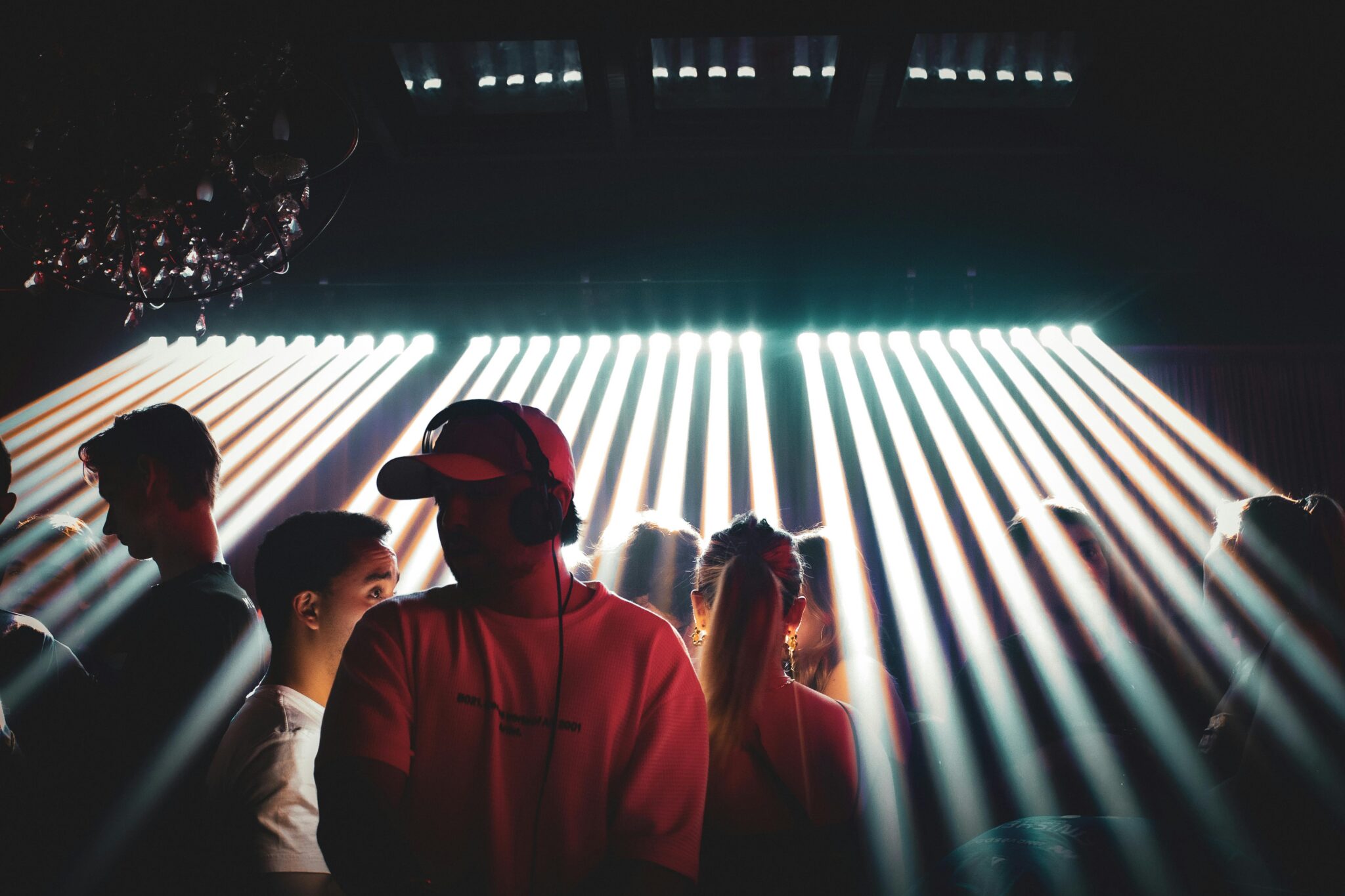
The impact of tourism on local club scenes has become increasingly visible, reshaping spaces that were once defined by deep community engagement into stages for fleeting attention and performative presence. A few months ago I went to Fabric for the first time since Covid, and what struck me immediately was how much of the dance floor was occupied by tourists. It wasn’t just a matter of accents or outfits, it was a shift in behaviour.
With a tenure of over two decades, Fabric has one of the most durable legacies in London club culture. Its name carries weight far beyond the UK, so it’s no surprise that it’s often the first result when someone searches “clubs in London,” or that it consistently ranks among the most attended listings on Resident Advisor. That visibility is both a testament to its programming and a symptom of its transformation into a global destination. But speak to regular London clubgoers and a different picture emerges: many rarely, if ever, go. Fabric exists in a strange duality, iconic, yet increasingly peripheral to the local scene that built its reputation.
Part of this disconnect is due to it’s reputation. Fabric has faced criticism around safety for years and while the club has made visible efforts to address this, these concerns are continuously echoed in online forums such as reddit and anecdotal accounts from friends, still shape how it is experienced, particularly by those who are heavily involved in London nightlife. Its central London location also compounds this. Being in the heart of the city makes it accessible, but also positions it as a default destination for drunk tourists or casual partygoers, many of whom arrive with little connection to the club or even electronic music culture itself.
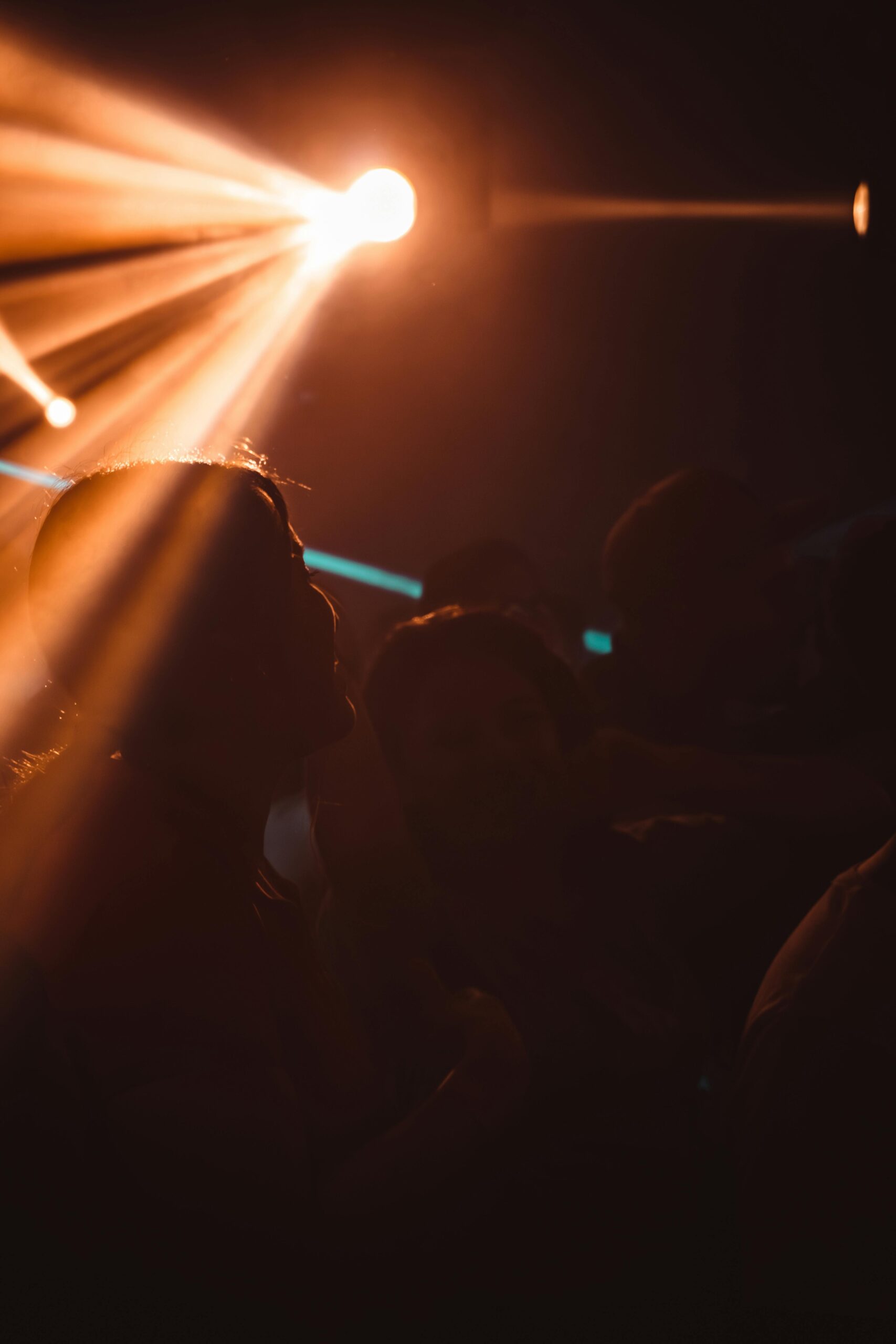
This becomes most visible on the dance floor. There’s a noticeable erosion of the unspoken codes that traditionally govern these spaces: phones out despite sticker policies, filming for social media, erratic or intrusive behaviour, and at worst, instances of harassment or assault. Fabric’s “don’t be a creep” messaging gestures toward a code of conduct, but enforcement feels inconsistent when the crowd itself is increasingly transient and unfamiliar with those norms. The dance floor, once a site of collective immersion, begins to feel more like a stage.
But of course, this isn’t isolated to Fabric. London’s newer venues are encountering similar dynamics almost immediately. Lost, for example, has generated significant buzz with its setting in an abandoned Odeon cinema in Leicester Square. Yet even in its early stages, it’s appearing in viral “come with me” type influencer videos, where the focus is less on the music and more on the spectacle of and validation from attendance. One video I saw featured a creator vaguely remarking, “I think they were playing house”, on a night with a techno lineup. The club becomes content first, and the unspoken cultural value of authentic participation is ignored.
What we’re seeing is a convergence of nightlife and the attention economy. Platforms like TikTok have reframed clubbing as something to be documented, optimised, and broadcast. Nowhere is this clearer than at Berghain, where the queue itself has become a kind of performative ritual. Viral videos dissect entry strategies, outfit choices, even the psychology of the bouncers. I recently queued there myself and noticed how many people treated the process as content generation: groups loudly narrating their experience to a phone camera, others visibly dressing for the algorithm rather than the space. I even saw someone attempting entry wearing Meta glasses, covertly filming the entire interaction. The irony is hard to miss, people queuing for hours not out of a desire to engage with the music, but for the possibility of a ten-second viral clip.

This phenomenon sits within a longer history of music-driven tourism. Places like Ibiza, Magaluf, and Zante have built entire economies around nightlife. While financially beneficial, the cultural cost is well documented: environmental strain, rising crime, and the dilution of local identity. Ayia Napa is a particularly stark example, once associated with UK garage tourism, it became synonymous with disorder and over-policing, its musical roots overshadowed by its reputation.
What distinguishes the current moment is the speed and scale at which this dynamic is being reproduced. “Techno tourism” isn’t just about travel; it’s about a mode of participation defined by distance: cultural, musical, and often ethical. These are crowds who may not know the lineup, who are less invested in the DJ or the sound, and more concerned with the symbolic capital of having been there. By doing so, they don’t just change the atmosphere and reshape access. Space on the dance floor, once occupied by those deeply embedded in the scene, is increasingly taken up by those passing through it.
None of this is to suggest that club culture should be gatekept or static. It has always evolved through new audiences and influences. But there’s a difference between expansion and extraction. When clubs become clout opportunities first and communities second, the experience fundamentally changes. The question isn’t whether tourism belongs in nightlife, it always has, but whether the current balance is sustainable for the cultures that made these spaces worth travelling to in the first place.